
How Power Grids Ensure Energy Stability During Winter: Managing Electricity Demand in Cold Seasons
Author: Acumen Research And Consulting



As temperatures drop during the winter, demand for electricity rises, posing considerable difficulties to energy stability.
Key Points:
- Implementing cold weather measures is crucial for maintaining energy stability during the winter
- Smart grid technology winter improve the responsiveness and resilience of the electrical grid
- Investments in Battery Energy Storage Systems (BESS) and microgrids are important to fulfilling electricity demand in winter
- The market growth of grid casting machines, microgrids, and solar energy systems contributes to the infrastructure needed for energy stability
Understanding Electricity Demand in Winter
The winter months see a significant rise in electricity use due to heating needs, shorter daylight hours, and holiday activities. According to the National Propane Gas Association, heating spaces in the winter uses more energy than cooling them in the summer, resulting in electricity demand in winter.
- According to House.gov, Texas recorded a winter peak of 80,525 megawatts in February 2025, leading the state to improve power grid monitoring to properly manage surges.
Sweden Anticipates Improved Power Grid Stability Amid Winter Electricity Challenges
Svenska Kraftnät, Sweden's grid operator, predicts a less severe power shortage this winter than in recent years, owing to higher energy prices, which have helped lower electricity demand in winter. However, southern Sweden is anticipated to continue in a power shortage, creating concerns to power grid stability.
The transmission system operator (TSO) anticipates balanced power grid stability with a surplus of 600 megawatt hours (MWh) per hour during peak demand at normal temperatures.
However, if the winter is colder than usual, there could be a 600 MWh/h shortfall. Effective winter electricity management will be critical to maintaining power grid stability and the country's ability to deal with demand fluctuations. Enhanced winter electricity management technologies are crucial for sustaining power grid stability and preventing regional shortages.
Strategies for Ensuring Power Grid Stability
Cold Weather Preparedness
Power systems prepare for cold weather in advance to ensure energy stability during the winter. These options include winterizing equipment, strengthening infrastructure, and developing emergency plans to prevent outages caused by freezing conditions.
Smart Grid Technology in Winter
The adoption of smart grid technologies throughout the winter increases power grid stability by enabling real-time monitoring and automated responses to changes in electricity demand. These devices can quickly detect and isolate problems, reroute power, and prevent significant outages, ensuring continuous electricity supply during winter.
Battery Energy Storage Systems (BESS)
Battery Energy Storage Systems (BESS) are vital for winter electricity management. For example, Delhi has launched South Asia's largest 20-MW BESS to provide dependable power during peak demand periods, directly benefiting over 100,000 residents.
Microgrids Offer Localized Energy Stability
Microgrids provide localized solutions for energy stability, particularly in the winter. They may run independently of the main grid, providing continuous power during disruptions.
- According to Acumen Research and Consulting, the global Microgrid Sector is expected to be valued around US$ 50,000 million by 2027, demonstrating its growing importance in modern power grid management.
Global Initiatives of Managing Electricity Demand in Winter
Australia's BESS Investment: According to the Clean Energy Council, Australia will invest $2.4 billion in battery storage projects by early 2025, enhancing its ability to control electricity demand in the winter and incorporate renewable energy.
Wales' hydropower refurbishment: The Dinorwig hydropower station in Wales is conducting a £1 billion restoration to strengthen its role in balancing the electricity grid during the winter, highlighting the need to modernize aged infrastructure.
The Role of Renewable Energy Systems
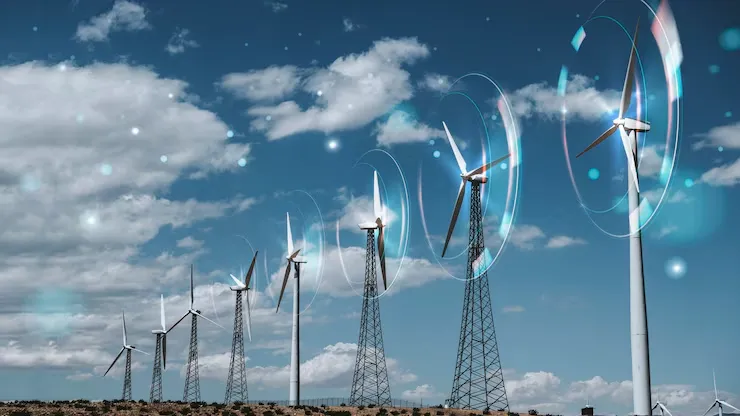
Integrating renewable energy systems, such as solar and wind, into the electricity grid in winter presents both opportunities and problems. While solar energy production decreases over the winter due to fewer daylight hours, developments in energy storage and smart grid technology winter solutions help to mitigate these differences, ensuring power grid stability.
Market Trends for Energy Stability
Grid Casting Machines Market: The grid casting machine market is expected to reach USD 4.2 billion by 2032, owing to rising demand for battery production equipment that ensures energy stability during the winter.
Solar Energy Systems Market: The global solar energy systems market was valued at USD 184.2 billion in 2023 and is expected to reach USD 853.2 billion by 2032, growing at an 18.9% CAGR from 2024 to 2032. Innovations aiming at enhancing efficiency during the winter months are vital in ensuring overall energy stability.
Conclusion
Providing energy stability throughout the winter necessitates a complex approach that includes infrastructure enhancements, the use of smart grid technology winter, investment in battery storage, and the incorporation of renewable energy sources. By proactively controlling electricity demand in winter and improving power grid stability, utilities can ensure dependable electricity supply during winter, protecting communities from the problems brought by cold weather.