
Why Fire Protection Systems Are Critical in a Climate-Driven Era of Rising Wildfires
Author: Acumen Research And Consulting



As the world grapples with the consequences of climate change, the frequency and intensity of wildfires are increasing, necessitating the urgent implementation of improved fire safety measures. Fire protection systems are now a critical part of urban and industrial infrastructure. These systems defend not only individuals, but also property and economy. The rising number of fatal fires around the world emphasizes the significance of trustworthy fire protection systems. Governments and industries alike are increasing their investments in firefighting systems, particularly as temperatures rise and the climate becomes drier. Recent fires in Israel and the United Kingdom have highlighted the importance of updating fire protection systems and services to deal with changing threats.
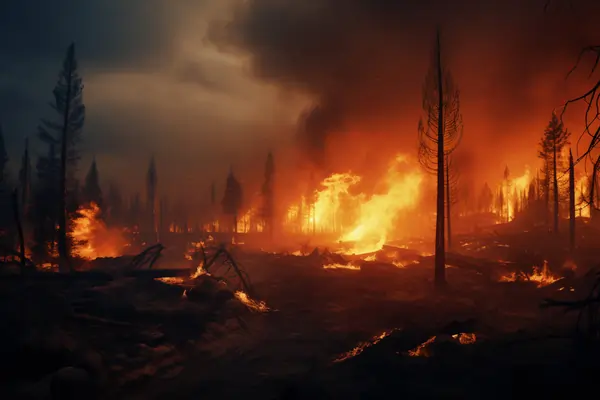
Global Wildfire Incidents and the Need for Fire Protection Systems
The escalation in wildfire incidents is alarming. For example, a recent wildfire in Israel, which began in late April 2025, destroyed huge portions of central Israel, destroying more than 25,000 dunams (6,170 acres) of land near Jerusalem and Tel Aviv. According to the Israeli Fire and Rescue Authority, over 150 fire units were dispatched to combat the fire, which was aggravated by strong winds and high temperatures. These conditions led to significant evacuations, though thankfully, no fatalities were reported. The fires highlighted the critical need for better fire protection systems to safeguard urban areas and critical infrastructure. Furthermore, 17 firefighters were injured while combating the blaze, stressing the high risks faced by first responders.
This incident reflects a larger, global trend in which the rising frequency and intensity of fires are pushing governments to adopt more advanced fire protection measures. The global passive fire protection market is expected to reach $6.9 billion by 2032, rising at a 5.5% CAGR, owing to an increased emphasis on fire prevention, suppression, and safety standards.
Rising Demand for Fire Protection Equipment and Services
As wildfires become more frequent, there is an increasing demand for comprehensive fire protection equipment across both urban and industrial sectors. To address the increased threats, organizations are resorting to more complex fire suppression devices such as sprinklers, alarms, and automated systems. The need for fire protection systems is pushed further by stronger rules and standards aimed at reducing fire hazards in critical industries such as construction, oil and gas, and manufacturing.
Fire protection equipment market is driven by technological advancements in fire detection and suppression systems. Governments around the world are tightening fire safety rules, increasing demand for more advanced fire prevention technologies. For example, in California, where wildfires are a perennial problem, the California Fire Safety Act of 2023 mandates that property in high-risk zones install fire protection systems such as fire sprinklers and alarms.
The Role of Passive Fire Protection in Modern Safety Systems
Passive fire protection is a key invention in fire safety. This sort of fire protection is intended to contain fires in specific locations, preventing flames from spreading to other portions of a building or structure. The market for passive fire protection includes fire-resistant coatings, fire barriers, and fireproof insulation. These materials are critical in preventing fires, especially in residential and commercial buildings.
The passive fire protection materials market is experiencing significant growth. According to acumen research and consulting, the global fire protection materials market size accounted for USD 6,895 Million in 2021 and is estimated to achieve a market size of USD 14,193 Million by 2030 growing at a CAGR of 8.6% from 2022 to 2030, as architects and builders seek more reliable materials to meet stringent fire safety codes. The integration of Passive Fire Protection Coatings into new building designs is becoming standard practice, particularly in high-rise buildings and public facilities.
Furthermore, the increased emphasis on sustainability is accelerating research in fire-resistant materials. Eco-friendly fire protection materials, such as those derived from recycled components, are gaining popularity. This reflects a greater shift toward environmentally friendly construction methods, with fire protection playing an important role in building safety.
Fire Protection Services in the Mining and Industrial Sectors
The mining sector, in particular, has seen an increased need for specialized fire protection systems due to the inherent fire risks in mining environments. Mines are often filled with combustible materials, gases, and high heat, which increase the likelihood of fires. Fire protection systems in mining operations are intended to prevent and control fires using automated suppression systems, fire-resistant coatings, and other fire safety equipment.
In Australia, for example, mining corporations are investing extensively in fire protection equipment to protect their operations. Mining businesses have been required by the Australian Government's Department of Industry, Science, Energy, and Resources to implement sophisticated fire safety measures, such as fire suppression systems and fire-resistant minecart equipment, to protect workers and assets from fires. This emerging trend is increasing demand for specialized fire protection services in the mining industry.
Key Features of the Fire Protection Systems Market
- Increasing global fire incidents. Wildfires are growing more common worldwide. For example, the Israel Wildfire in April 2025 consumed 25,000 dunams (6,170 acres) in Tel Aviv, highlighting the critical need for improved fire protection solutions.
- The fire protection system market is anticipated to reach $ 5 billion by 2027, rising at 7.2% CAGR, driven by demand for sophisticated fire safety measures and government regulations.
- The California Fire Safety Act of 2023: California's new fire safety rules compel high-risk homes to install fire protection systems such as sprinklers and alarms, which increases demand for fire protection systems.
- The mining industry in Australia has adopted modern fire suppression systems to protect personnel and infrastructure from fire dangers, leading to increased demand for fire protection services.