
How Foldable Tech Is Revolutionizing the Future of Work
Author: Acumen Research And Consulting



Foldable tech has quickly evolved from a minor innovation to a major technology that is defining the future of work. This cutting-edge category of devices is fundamentally altering productivity, mobility, and workplace adaptability. As organizations embrace new methods of working, foldable devices are emerging as key tools, precisely aligned with the demands of the changing future of work.
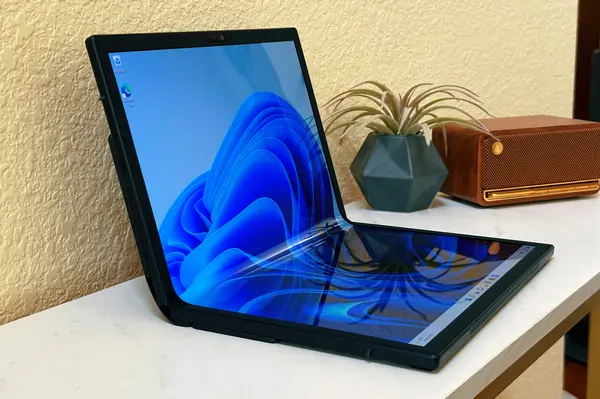
What was once considered a curiosity has now become central to the digital transformation of businesses. Delivering flexible, high-performance computing solutions is critical to supporting the future of work in an era of hybrid models, remote teams, and AI-driven processes.
The Rise of Foldable Tech and Its Impact on the Future of Work
The market for foldable tech devices has expanded significantly, with manufacturers like Huawei, Samsung, and Lenovo introducing foldable laptops and tablets tailored for modern professionals. Huawei's foldable MateBook, for example, has a stunning 18.3-inch screen that folds down to a compact 13-inch size, making it ideal for mobility and versatility—both of which are crucial in the future workplace.
According to the U.S. Bureau of Labor Statistics, approximately 27% of the workforce worked remotely at least part-time in 2024, with projections indicating that this percentage will rise to 35% by 2027. This tectonic shift in work environments emphasizes the necessity of technology that enables flexible and adaptive workspaces, a need that foldable tech addresses uniquely.
The flexible display, a game-changing discovery that allows devices to bend and fold without breaking, is a key enabler of foldable technology. These flexible displays are made with flexible electronics, ensuring durability and responsiveness even after multiple folds. This foundation not only enables sleek, multi-form-factor gadgets but also drives the development of next-generation productivity tools.
According to Acumen Research and Consulting, the flexible display market size is estimated to reach USD 205.34 billion by 2033, growing at an exponential CAGR of 30.2% during the forecast period from 2025 to 2033.
Protecting Innovation: The Role of Foldable Tech Pouches
As foldable tech becomes integral to the future of work, ensuring the durability and longevity of these devices is paramount. The introduction of specialized foldable tech pouches meets this demand by providing robust protection against physical harm, such as screen stress and hinge wear.
The National Institute of Standards and Technology (NIST) underlines the importance of preserving mobile hardware, especially in hybrid work environments where devices are regularly transported. Investing in a high-quality foldable tech pouch not only preserves device functionality but also adheres to best practices for safeguarding essential work equipment in the future of work.
Key Benefits of Foldable Tech Supporting the Future of Work
- Enhanced mobility with adaptable screen sizes that meet diverse workflow demands
- Elimination of multiple devices, combining laptop and tablet functionality in one
- Superior multitasking capabilities via split-screen and multi-app use
- Creative flexibility through stylus-enabled input for design and note-taking
- Compact form factor, ideal for remote and hybrid work environments
- Device protection via custom-designed foldable tech pouches
- Environmental sustainability by reducing redundant hardware purchases
These advantages mirror core future of work trends emphasizing flexibility, digital collaboration, and sustainability.
Foldable Tech Devices: Driving the Future of Work Forward
In industries ranging from software development to creative agencies, foldable tech devices are becoming essential for powering hybrid workforces. The U.S. General Services Administration (GSA) reports increasing investments in mobile-first and modular technology solutions to accommodate a decentralized workforce—a trend that highlights the critical role of foldables in the future of work.
Beyond mere convenience, foldable devices support immersive AI workflows, advanced UI/UX testing, and digital sketching, making them invaluable for technology-driven enterprises. Powered by flexible electronics, these devices operate smoothly under complex tasks while maintaining a lightweight, adaptable form factor. As the future of work continues to prioritize adaptability and innovation, foldable technology is set to become the norm..
Supporting Remote Teams and Outsourced Tech with Foldable Tech
A key component of the future of work is the growing reliance on distributed teams and outsourcing partnerships. Companies are increasingly engaging outsourced software development teams to accelerate innovation and scale operations. Foldable tech devices facilitate this by enabling seamless collaboration regardless of location.
For remote and outsourced teams, the ability to switch between tablet and laptop modes, share screen real estate efficiently, and use stylus input for brainstorming sessions or design reviews enhances communication and productivity. This flexibility is crucial in supporting agile development cycles and fast-paced workflows that define modern tech teams.
Furthermore, the portability of foldable tech devices reduces barriers to on-site collaboration during client visits or team meetups. Employees no longer need to carry multiple gadgets, thanks to the multifunctionality of foldables, which improves operational efficiency and reduces costs.
The Future of Foldable Technology Extends Beyond Gadgets
The potential of foldable technology goes beyond personal electronics. By 2026, foldable screens will be integrated into enterprise-grade solutions such as folding monitors, interactive digital whiteboards, and flexible workstation layouts. These advancements will directly enable modular and flexible workspaces—crucial to the future of work.
Furthermore, governments and businesses are expected to invest extensively in foldable technologies that improve accessibility and inclusivity. Features such as larger folding screens with customizable layouts can help employees with a variety of needs, aligning with broader workforce diversity objectives.
According to the U.S. Bureau of Labor Statistics, by 2027, more than 40% of organizations will prioritize mobile-first and flexible tech investments, indicating that foldable technology is well-positioned to lead the digital revolution that will shape the future workplace.