
New Brain Tumor Test Cuts Diagnosis Time from Weeks to Hours: A Game-Changer in Cancer Care
Author: Acumen Research And Consulting



Historically, diagnosing a brain tumor has been a time-consuming and difficult process for both patients and physicians. The normal turnaround time for results is several weeks, with some cases lasting eight weeks or more. However, a novel brain tumor test developed by experts at the University of Nottingham in collaboration with Nottingham University Hospitals NHS Trust has the potential to radically change this. This ultra-rapid genetic testing approach cuts diagnosis time from weeks to hours, possibly revolutionizing cancer care for thousands of patients worldwide.
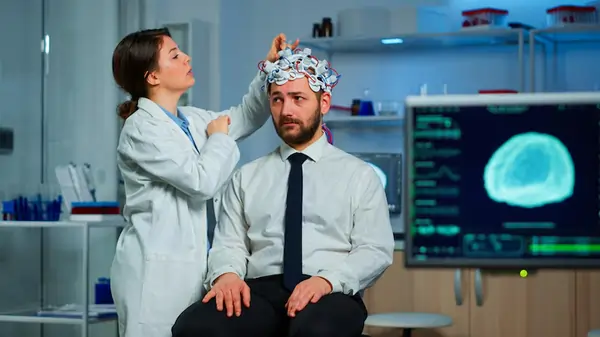
Revolutionary Advances in Brain Tumor Diagnosis
ROBIN (Rapid On-site Brain Intratumoral Nucleic Acid Sequencing) is a new brain tumor test that analyzes tumor DNA on-site during surgery using modern nanopore sequencing technology. This is a substantial change from traditional diagnosis approaches, which usually require shipping tissue samples to specialized labs and waiting for genetic profile results, which can take weeks.
The ROBIN genetic test, which employs portable medical device developed by Oxford Nanopore Technologies, may identify brain tumor types in approximately two hours, allowing for real-time decisions during surgery. This rapid brain tumor diagnosis is a game changer for patients and healthcare providers, enabling for more timely brain tumor treatment planning and less ambiguity for patients and families.
According to recent clinical trials involving 50 patients, this brain tumor test had a 100% accuracy rate in diagnosing distinct brain tumor forms. This brain tumor tests precision, paired with its speedy results, position it as a game changer in cancer care.
Why Speed in Brain Tumor Diagnosis Matters
Speedy brain tumor diagnosis is critical in effective cancer care. Brain tumors are a diverse group of neoplasms, including glioblastomas, meningiomas, and astrocytomas, among others. Early identification of tumor type is essential for tailoring brain tumor treatment plans, which may include surgery, radiotherapy, chemotherapy, or a combination.
Prolonged diagnostic timelines can cause delays in brain tumor treatment, thereby influencing patient outcomes. Rapid brain tumor tests close this gap, allowing clinicians to begin effective treatment sooner. Furthermore, the psychological burden of waiting for a diagnosis can be important for patients and families; decreasing this time can significantly reduce anxiety.
The ROBIN method's brain tumor test costs approximately £450 per test, which is comparable to conventional diagnostic techniques. Given the increased speed and precision, the cost-effectiveness of this technique makes it more appealing to healthcare systems.
Understanding Brain Tumor Types, Causes, and Treatment
Brain tumor types vary widely, influencing diagnosis and treatment. Some frequent brain tumor kinds are:
- Glioblastomas: aggressive and fast-growing tumors.
- Meningiomas: tumors arising from the meninges, typically slower growing.
- Astrocytomas: tumors developing from star-shaped brain cells.
The causes of brain tumors are not entirely understood but may involve genetic mutations, exposure to ionizing radiation, and hereditary factors. Research is being conducted to better understand the brain tumor causes, which may lead to improved prevention and treatment strategies.
How a brain tumor is treated depends on its form, size, location, and the patient's condition. Tumor removal surgery, radiotherapy to target cancer cells, and chemotherapy drugs to inhibit tumor growth are all viable choices. The novel brain tumor test directly supports tailored brain tumor treatment by giving rapid and accurate diagnostic information.
The Brain Tumor Drugs Market: A Growing Industry
Parallel to diagnostic advances, the brain tumor drugs market is also witnessing substantial growth. According to our research, the global brain tumor drugs market is predicted to rise from USD 2.8 billion in 2022 to USD 6.5 billion by 2032, representing a 8.8% compound annual growth rate (CAGR). This expansion is being driven by an increase in brain tumor incidence, technological breakthroughs in medications, and more research funding.
New brain tumor medications are being developed with diagnostic advancements, resulting in a more holistic approach to cancer treatment. Faster and more accurate brain tumor diagnosis allows patients to benefit from the most recent therapy choices more promptly.
Benefits of the New Brain Tumor Test for Cancer Care
The new brain tumor test offers multiple benefits that will enhance cancer care delivery globally:
- Accelerated Treatment Initiation: Fast diagnosis allows oncologists to start tailored brain tumor treatment earlier, improving patient outcomes.
- Improved Surgical Decision-Making: During surgeries, surgeons can access real-time molecular information, allowing for more accurate and successful tumor removal.
- Decreased Patient burden: Shorter waiting times for diagnosis reduce psychological burden for patients and their families.
- Competitive Brain Tumor Test Cost: At roughly £450, the test is cost-effective and provides speedier findings.
Challenges and Future Outlook
While the new brain tumor test looks promising, widespread implementation will require overcoming obstacles. These include the requirement for additional large-scale clinical validation, healthcare professional training in the new diagnostic technique, and integration into existing hospital procedures. However, early good results and interest from a number of NHS hospitals indicate that momentum is rising.
Looking ahead, the continued refinement of rapid genetic testing technology is expected to revolutionize brain tumor diagnosis further. Combined with advances in brain tumor treatment and drugs, this technology can significantly improve survival rates and quality of life for patients worldwide.